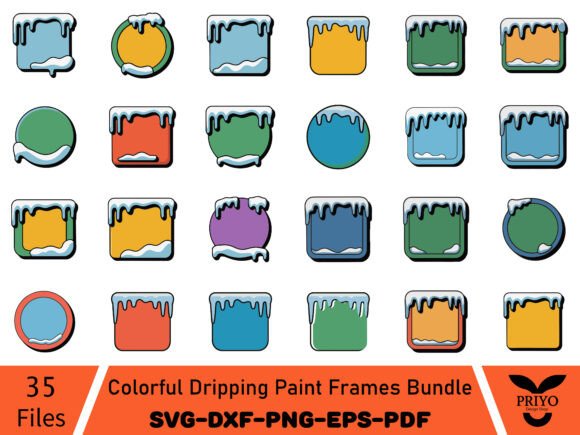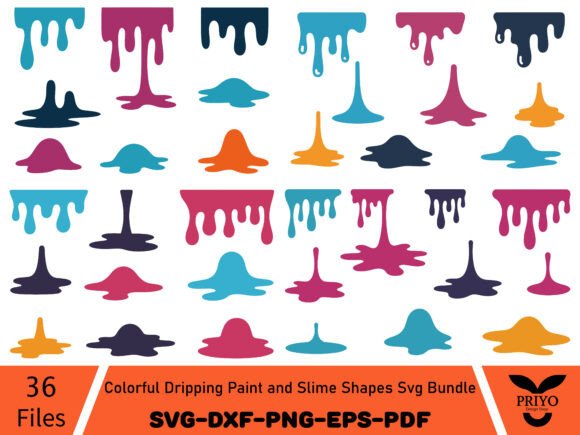
Colorful Dripping Paint and Slime Shapes
As a designer who has worked with countless embroidery files over the years, I always approach new designs with a critical eye. The Colorful Dripping Paint and Slime Shapes design caught my attention for its bold, playful aesthetic and its potential to elevate a wide range of projects. From custom apparel to handmade gifts, this design offers a unique visual flair that can make a statement in any setting.
First Impressions: A Bold and Playful Visual Language
The first thing that stands out about Colorful Dripping Paint and Slime Shapes is its vibrant color palette and abstract, fluid forms. It’s not a traditional design—there are no strict lines or rigid shapes. Instead, it features dripping paint textures and exaggerated slime-like shapes that give it an almost 3D quality. This makes it perfect for projects that aim to stand out, especially in markets where creativity and uniqueness are valued.
The layout is dynamic, with overlapping elements that suggest movement and energy. It feels like a digital painting come to life through embroidery. This kind of design works best on larger surfaces where the details can be appreciated without becoming overwhelming. Think of it as a statement piece rather than something subtle or minimalist.
Real-World Use: Where Does This Design Fit Best?
I tested the Colorful Dripping Paint and Slime Shapes design on a few different fabrics and projects to see how it would translate into real embroidery work. One of the first applications I considered was a custom tote bag design. The size of the design fits well within a standard hoop, and the colors pop nicely against light-colored cotton. It adds a fun, artistic touch that could appeal to a younger demographic or those looking for something more expressive in their everyday items.
For a sweatshirt embroidery project, the design also holds up well. The saturation of the colors ensures visibility even on darker fabrics, though I recommend testing with a small swatch first. The shape of the design allows for flexibility in placement, making it suitable for both front and back placements on garments.
When it comes to baby items, such as onesies or blankets, the design could work if used sparingly. However, I’d advise against using it on smaller areas where the detail might get lost. For baby embroidery, simpler patterns often feel more timeless and versatile.
Limitations and Considerations
While the Colorful Dripping Paint and Slime Shapes design is visually striking, it’s not without its challenges. On smaller hoop sizes, the intricate details may become less defined, especially if the stitch density isn’t adjusted properly. If you’re working on a patch or a cap, where space is limited, this design might not be the best choice.
Textured fabrics or stretchy materials can also affect how the design looks after stitching. The fluid nature of the shapes may not hold up as well on these types of materials, so it’s important to test on similar fabric before committing to a full project. Thin or dark fabrics may also require additional stabilizer to ensure the design doesn’t pucker or distort during stitching.
Designing for Different Markets
This design is ideal for craft businesses looking to add a fresh, modern look to their product line. As an Etsy seller, I could see this being a great addition to a collection of personalized gifts or boutique merchandise. Its eye-catching nature makes it perfect for holiday or seasonal items, such as embroidered caps or decorative pillows.
For commercial embroidery projects, the design’s versatility is a big plus. It can be used as a standalone element or incorporated into larger compositions. However, I recommend checking the licensing terms before using it for resale or digital product distribution. Always confirm that the design is suitable for both personal and commercial use.
Practical Tips for Embroidery Designers
If you’re planning to use the Colorful Dripping Paint and Slime Shapes design in your next project, here are a few practical tips to keep in mind:
- Test on scrap fabric first: Before applying the design to your final project, try it on a similar fabric to see how the colors and stitches look.
- Check thread color contrast: Ensure that the thread colors you choose complement the design and don’t wash out or fade quickly.
- Review stitch density: Adjust the density based on the fabric type and the desired effect. Too much density can cause puckering, while too little may make the design look sparse.
- Confirm hoop size: Make sure the design fits comfortably within your hoop to avoid cutting off any parts of the design.
- Inspect small details: Pay close attention to the edges and corners of the design, especially if they include intricate elements.
- Test in black and white mockups: Sometimes, seeing the design in monochrome can help you better understand how it will look on different backgrounds.
- Compare light and dark fabric backgrounds: The design’s vibrancy may vary depending on the fabric color, so test it on both.
- Use proper stabilizer: Stabilizer is essential for maintaining the integrity of the design, especially on stretchy or delicate fabrics.
- Check for commercial use: Confirm that the design is licensed for commercial use if you plan to sell finished products or digital files.
Final Thoughts: A Design That Speaks Volumes
The Colorful Dripping Paint and Slime Shapes design is a strong contender for anyone looking to add a creative edge to their embroidery projects. Its bold visuals and dynamic layout make it a standout choice for custom apparel, handmade gifts, and boutique merchandise. While it has some limitations in certain applications, with careful planning and testing, it can be a valuable addition to any designer’s toolkit.
Whether you're an experienced embroiderer or just starting out, this design offers a fresh perspective on how to incorporate artistry into functional products. It’s not just a machine embroidery design—it’s a statement, a conversation starter, and a way to bring personality to every project you create.